The History of Slowed + Reverb Music
If you've spent time on YouTube over the past decade, you've probably seen the phrase 'slowed + reverb' in a video title. What might seem like a simple audio adjustment has grown into a fully developed internet music culture built around mood, nostalgia, and atmosphere. While the trend feels modern, its emotional roots go back much further than most listeners realize.
The Roots: Chopped & Screwed in Houston
The foundations of slowed music trace back to 1990s Houston, Texas. DJ Screw pioneered the 'chopped and screwed' technique, slowing down hip-hop tracks and manipulating them manually to create a syrupy, hypnotic sound. Songs felt heavier and more immersive. Although slowed + reverb is technically simpler, the idea that changing tempo transforms emotion clearly connects back to this era.
By stretching time, producers discovered that familiar tracks could feel entirely new. Lyrics became more pronounced, beats felt deeper, and the overall mood shifted toward introspection.
The Rise of Slowed + Reverb on YouTube
In the mid-2010s, independent creators began uploading slowed versions of popular songs to YouTube. Unlike traditional remixes that add new beats or heavy production, these edits were minimal: reduce the tempo, slightly lower the pitch, and add generous reverb. The echo created space, making the music feel distant and cinematic.
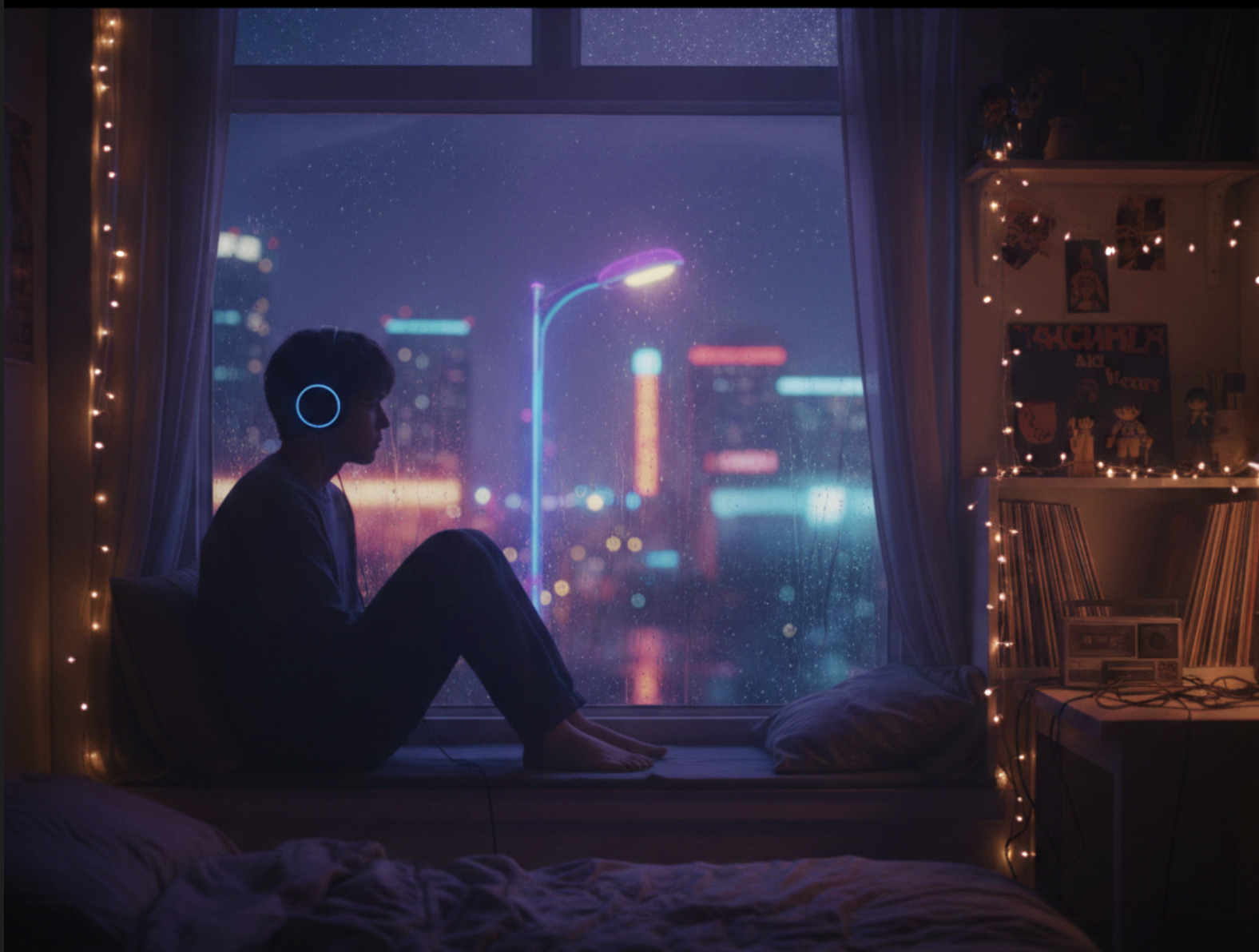
Visual aesthetics quickly became part of the identity. Many videos featured looping anime scenes, neon-lit cityscapes, rain against windows, or grainy nostalgic footage. The pairing of atmospheric audio and moody visuals created a distinct late-night experience.
Lockdown and Mainstream Growth
During the global lockdowns of 2020, slowed + reverb music experienced explosive growth. As daily routines slowed and isolation increased, listeners gravitated toward music that reflected introspection and emotional depth. Tracks labeled 'for late nights' or 'headphones recommended' resonated strongly with audiences spending more time alone.
Recommendation algorithms amplified the trend. After watching one slowed + reverb video, viewers were often guided toward dozens more. Entire channels were built around the format, some gaining millions of subscribers without producing original songs — only atmospheric reinterpretations.
Why Slowing Down Works
There is also a psychological explanation for the appeal. Slower tempos are associated with calmness and contemplation. When a track is slowed, lyrics linger and harmonies stretch, allowing listeners to focus on emotional detail rather than energy. Reverb adds spatial depth, which our brains interpret as distance, making songs feel like memories replaying in slow motion.
Interestingly, the style has moved into the mainstream. Some artists now release official slowed versions of their own songs on streaming platforms. What started as a grassroots editing trend has evolved into a recognized part of digital music culture.
Conclusion
Ultimately, the history of slowed + reverb music reflects the internet’s ability to reshape art. A simple adjustment in tempo and space became a global aesthetic movement. From Houston’s underground scene to late-night YouTube playlists around the world, slowed + reverb proves that sometimes slowing down is exactly what listeners need.
Related Example
Example of a slowed + reverb track on YouTube: